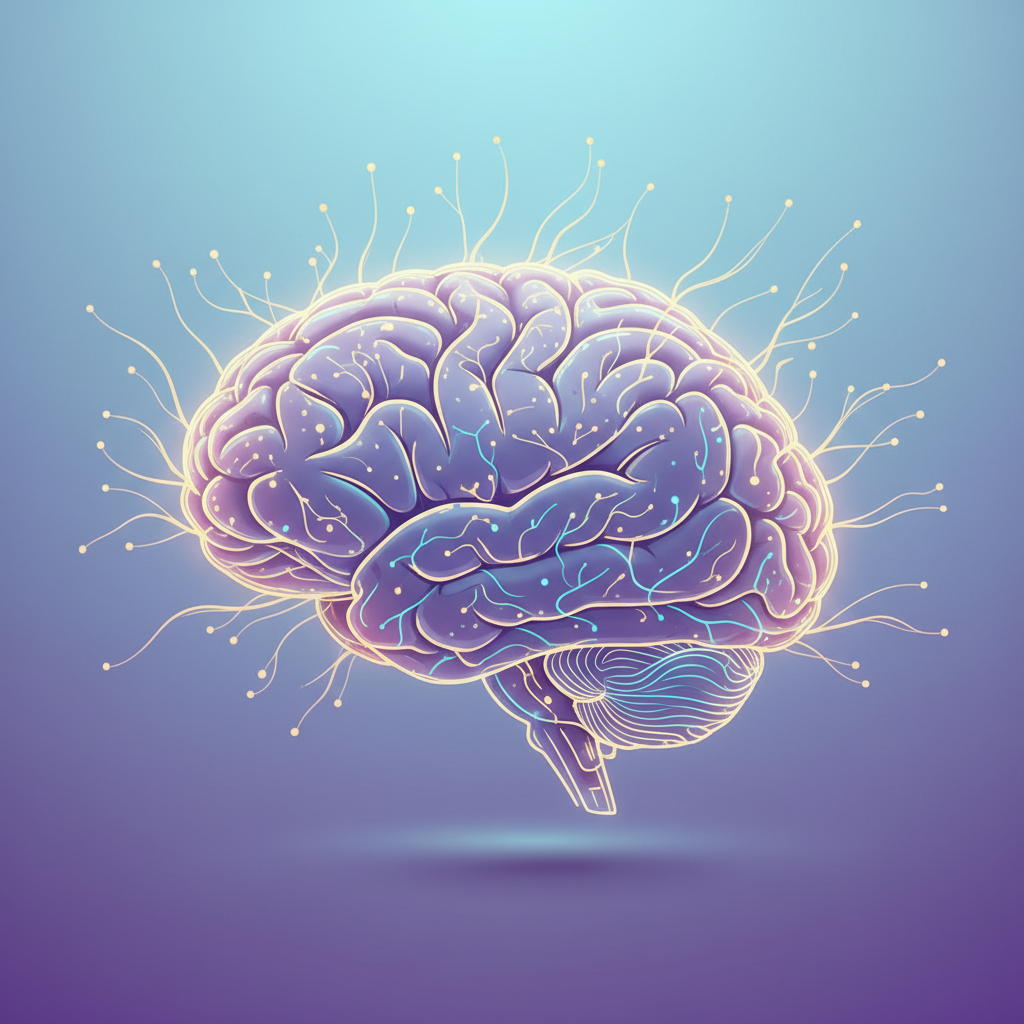
Pinealon is gaining interest among researchers and wellness experts alike. Though still under exploration, preliminary scientific insights point to significant benefits that may include enhanced cognitive function, neuroprotection, and support for anti-aging processes. This guide will explore Pinealon, its mechanisms, applications, and scientific research.
Overview of Pinealon
Pinealon is a naturally occurring bioactive peptide. Some studies suggest it might be derived from or similar in structure to peptides secreted by the pineal gland. The pineal gland, known for its role in secreting melatonin—a hormone regulating sleep cycles—has long fascinated researchers for its involvement in age-related and cognitive processes. This connection spurred scientific interest in Pinealon due to its potential neuroprotective and regenerative properties.
Historical Context and Interest
For decades, the pineal gland has captivated neuroscientists due to its enigmatic role in regulating several biological processes. The study of peptides like Pinealon is a relatively new branch of research. Early experiments and animal studies have indicated that pineal gland peptides may help modulate immune responses, reduce oxidative stress, and even slow neurodegeneration. With an increasing focus on natural compounds that support longevity, Pinealon has become a promising subject of investigation.
Mechanism of Action and Scientific Insights
Though detailed mechanistic studies of Pinealon are still emerging, current hypotheses are based on its interaction with well-known neuroendocrine pathways.
Interaction with Neuroendocrine Pathways
Pinealon may exert its effects by influencing the delicate balance of hormones that regulate brain function. Researchers suggest the peptide could play a role in modulating neurotransmitter release and ensuring a balanced cellular environment, crucial for maintaining optimum cognitive function and neural health.
Antioxidant and Anti-Inflammatory Effects
One central theory is that Pinealon might help mitigate oxidative stress – a condition where the production of harmful free radicals outpaces the body’s natural antioxidant defenses. Oxidative stress is implicated in aging and neurodegenerative diseases. By reducing inflammation in neural tissues, Pinealon may support the brain’s resilience, acting as a potential neuroprotective agent.
Supporting Cellular Regeneration
Another intriguing possibility is that Pinealon could aid in cellular regeneration. Some research suggests bioactive peptides can stimulate cellular repair mechanisms, essential for healing and rejuvenation. While most studies have been pre-clinical, these cellular effects are promising for therapeutic applications in cognitive rehabilitation and age-related decline.
Potential Benefits and Applications
The promise of Pinealon lies in its diverse potential applications. Though much of the research is preliminary and based on experimental or animal models, theoretical benefits include:
Cognitive Enhancement and Neuroprotection
One of the most appealing areas of research is Pinealon’s potential to enhance cognitive performance. By modulating neurotransmitter systems and reducing inflammation, it may help protect against neurodegenerative conditions like Alzheimer’s disease. Researchers are actively studying peptides similar to Pinealon for new therapeutic avenues to maintain memory, concentration, and overall brain health.
Anti-Aging Effects
Aging is a complex process influenced by cellular degeneration, oxidative stress, and hormonal imbalances. Pinealon’s proposed ability to limit oxidative damage and facilitate cellular repair could position it as a potential anti-aging agent, which has piqued the interest of gerontology and regenerative medicine fields.
Support for Sleep and Mood Regulation
Given its connection to the pineal gland, which regulates melatonin production, Pinealon may also impact sleep quality and mood stabilization. While not a direct replacement for melatonin supplements, its broader neuroendocrine interactions could contribute to improved overall well-being.
Scientific Research and Current Findings
Although Pinealon is still in the stages of scientific inquiry, studies and experiments have shed light on its potential:
Preclinical Studies and Animal Research
Initial studies using animal models have been promising. Data suggest that Pinealon and similar peptides may enhance neural plasticity, improve learning and memory, and offer protection against chemically induced neuronal damage. Researchers have noted strong links between these effects, reduced oxidative stress, and improved cellular communication.
Emerging Clinical Trials
While human clinical trials are still in very early stages, preliminary research in controlled environments indicates that such peptides could be safely tolerated and might offer cognitive and mood improvements. Notable institutions and peer-reviewed journals have begun publishing findings on pineal gland-derived peptides, further supporting the need for more extensive human studies.
Expert Opinions and Reviews
Several experts in neuropharmacology and gerontology acknowledge the potential of peptides like Pinealon. Reviews in scientific literature emphasize the need for larger randomized controlled trials to establish efficacy and safety. For example, reviews in journals such as “Clinical Interventions in Aging” and presentations at neuroscience conferences highlight both the promise and caution needed as research continues.
Real-World Applications and Considerations
Though Pinealon shows potential, its application outside a research setting is limited until more robust clinical data are available. However, its exploration is paving the way for several promising approaches:
Integrative and Personalized Medicine
In an era of integrative medicine, where traditional and modern scientific techniques optimize health, peptides like Pinealon serve as an exciting frontier. Personalized medicine strategies, considering an individual’s genetic background, lifestyle, and environmental exposures, may eventually include formulations that leverage the benefits of natural peptides.
Complementary Use with Nutraceuticals
Some wellness practitioners advocate for the use of nutraceuticals—natural products aimed at enhancing health—alongside emerging peptide therapies. Though Pinealon is not yet widely available as a treatment option, it may eventually work in concert with other natural substances known to support brain health, such as omega-3 fatty acids and antioxidants.
Future Therapeutic Developments
Pharmaceutical research continues to explore ways to isolate, modify, and deliver bioactive peptides safely and effectively. If future clinical trials confirm early hypotheses regarding Pinealon’s neuroprotective and anti-aging capabilities, its integration into therapies aimed at treating cognitive decline, neurodegenerative diseases, and age-related disorders may be seen.
Safety, Regulatory, and Ethical Considerations
As promising as Pinealon appears, it is important to approach its use with a balanced perspective. The scientific community and regulatory bodies are in the early stages of establishing guidelines for emerging peptides:
Safety Profiles and Dosage
Currently, much of the available data on Pinealon comes from controlled laboratory studies and animal models. While these studies indicate a favorable safety profile, comprehensive clinical trials are needed to determine appropriate dosages and identify any potential side effects in humans.
Regulatory Approvals
Despite its potential, Pinealon is not yet approved by major regulatory bodies such as the FDA for routine clinical use. Any available therapies or supplements containing Pinealon should be approached with caution, and only under proper medical supervision.
Ethical Considerations
From a bioethical standpoint, the use of any emerging peptide treatment in vulnerable populations—such as the elderly or those with neurodegenerative conditions—necessitates strict oversight. Transparency in clinical trial reporting and adherence to ethical guidelines are paramount for achieving trustworthy and scientifically sound results.
Conclusion
Pinealon represents an exciting frontier in neuroendocrine research, embodying the possibilities of peptide-based interventions for improving cognitive health and combating the effects of aging. Its potential benefits—from cognitive enhancement and neuroprotection to anti-aging and mood stabilization—make it a subject worthy of further scientific inquiry and clinical investigation.
While early studies are promising, robust clinical trials remain essential to fully validate the efficacy and safety of Pinealon. For now, the peptide serves as a beacon of hope, guiding future research toward groundbreaking therapies that bridge traditional medicine with the innovative possibilities of biotechnology.
As research continues, staying informed through reliable sources, expert opinions, and peer-reviewed literature will be crucial for anyone interested in the evolving landscape of bioactive peptides and their potential to enhance overall brain health and wellness.
Frequently Asked Questions
What makes Pinealon different from other peptides?
Pinealon stands out due to its proposed origin connected to the pineal gland and its potential role in regulating neuroendocrine functions. Its benefits in cognitive enhancement and anti-aging effects may differentiate it from other peptides researched for similar applications.
Are there any known side effects of Pinealon?
As Pinealon is still in the early research phase, known side effects have not been well-documented in large-scale human studies. Preliminary research suggests a promising safety profile, but further clinical trials are necessary to fully understand any potential risks or contraindications.
Where can I find more reliable research on Pinealon?
For those interested in digging deeper into the science behind Pinealon, academic journals such as “Clinical Interventions in Aging” and databases like PubMed are excellent sources. Additionally, reputable research institutions and conference proceedings can provide up-to-date insights into ongoing studies.
Can Pinealon be used as a supplement currently?
At this time, Pinealon is mainly the subject of scientific research and is not widely available as an over-the-counter supplement. Those considering its use should consult healthcare professionals and rely on the latest clinical data for guidance.
With a compelling combination of scientific promise and a natural origin, Pinealon continues to capture the imagination of researchers and health enthusiasts alike. As the body of evidence grows, it may well redefine the way we approach brain health, aging, and overall wellness in the years to come.